
Conservation grounded in science, collaboration, and community empowerment.
Arka Konservasi Indonesia works to support nature conservation and the empowerment of Indigenous Peoples and local communities through evidence-based approaches, cross-sector collaboration, and a holistic understanding of landscapes.
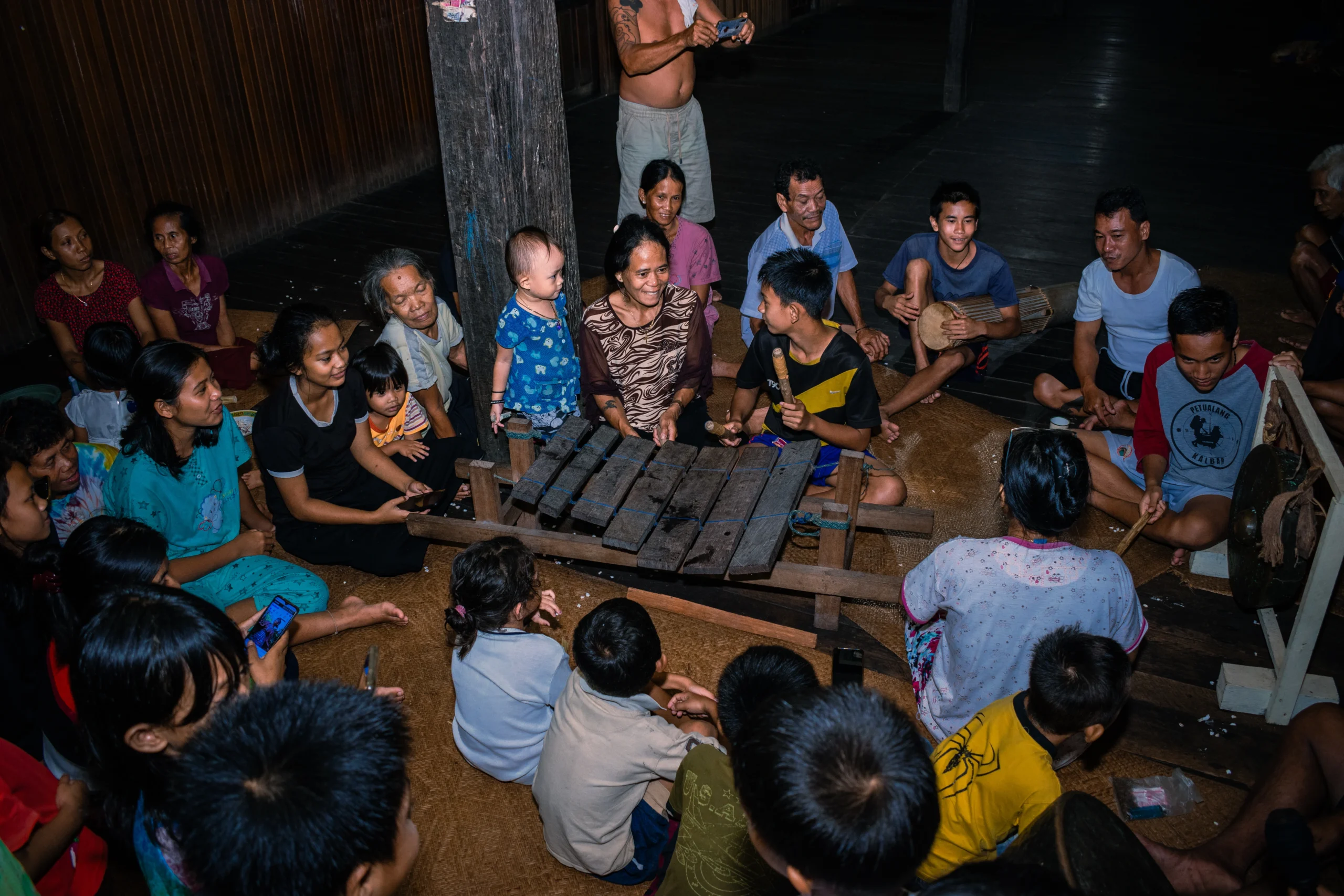
A civil society organization working in nature conservation and local community empowerment.
Arka Konservasi Indonesia (AKI) is a civil society organization based in West Kalimantan, working in nature conservation and local community empowerment. Established in March 2026, AKI brings together professionals and young people with experience in conservation, community development, and sustainability initiatives.
ARKA was founded with a commitment to support nature conservation and the empowerment of Indigenous Peoples and local communities across Indonesia. Although based in West Kalimantan, the broad networks and support built by our team enable ARKA to collaborate on conservation programs in different regions of Indonesia.
We believe that sustainable nature conservation cannot be separated from the communities living within and around the landscape. ARKA therefore takes into account the relationships between fauna, flora, ecosystems, and the communities that use, manage, and protect natural resources across the landscape.
To foster a harmonious relationship between people and nature, ARKA promotes collaboration with a wide range of stakeholders, including government, the private sector, academics, civil society organizations, local communities, and other strategic partners. Our conservation work is also guided by evidence-based approaches that can be scientifically accounted for.
VISION
A harmonious relationship in which people and nature can thrive together.
This vision recognizes people and nature as interconnected, mutually supportive, and capable of coexisting sustainably.
MISSION
Empowerment, multi-approach conservation, and scientific research.
01 Empower sustainable relationships between people and nature through circular economy models.
02 Advance multi-model conservation approaches with the full participation of Indigenous Peoples and local communities.
03 Become a center for scientific research programs that integrate nature and people-centered conservation approaches in West Kalimantan and across Indonesia.
WORKING PRINCIPLES
The values that guide every step of our work.
Collaborative
Conservation efforts are built through collaboration across sectors, including government, the private sector, academics, civil society organizations, and local communities.
Evidence-Based
Conservation programs and decisions are supported by data, research, field observations, and scientifically accountable approaches.
Landscape-Based
Conservation must consider all elements of a landscape, from fauna, flora, and ecosystems to the communities who live within and depend on them.
Community-Centered
Indigenous Peoples and local communities play an essential role in protecting nature, strengthening livelihoods, and building long-term sustainability.
The people behind ARKA’s conservation work.
ARKA’s work is supported by an advisory board and management team with experience in conservation, scientific research, sustainability, environmental governance, education, communications, and community empowerment.
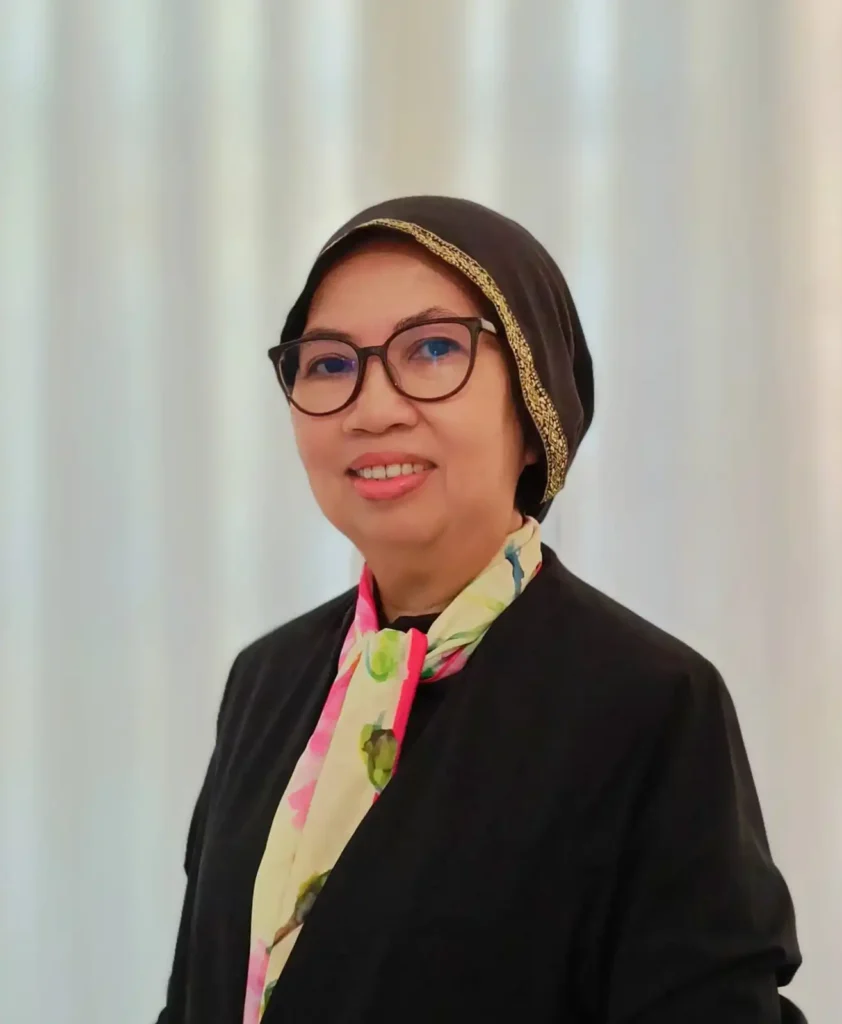
Nurul Laksmi Winarni
Chief Advisor
Nurul Winarni is a research scientist at the Research Center for Climate Change, Universitas Indonesia (RCCC-UI). Before joining RCCC-UI, she spent many years working as a field biologist on various wildlife research projects, covering hunted wildlife, birds, primates, and butterflies, particularly in Lampung and Buton, Southeast Sulawesi.
She holds a degree in Biology from the Faculty of Mathematics and Natural Sciences, Universitas Indonesia, a master’s degree from the Warnell School of Forest Resources at the University of Georgia, and a PhD from Manchester Metropolitan University. Her research interests include bird population dynamics, bird and butterfly community ecology, the impacts of anthropogenic disturbance on biodiversity, biodiversity monitoring, survey methodology, research design, and data analysis.
In the context of climate change, she also studies the impacts of climate change on the phenology of tropical rainforest trees, biodiversity responses to climate change, and ecosystem services. She is currently active as a member of several specialist groups under the IUCN Species Survival Commission.

Asri Adyati Dwiyahreni
Advisor
Asri A. Dwiyahreni, also known as Diah, is a senior researcher and Head of Training and Education at the Research Center for Climate Change, Universitas Indonesia.
Her research interests focus on mammalian ecology, protected area management, and natural habitat restoration. She is actively involved in a range of wildlife research and conservation projects, from project design and implementation to program monitoring, training, and education development.
She also manages various research collaborations with international partners across a range of topics, including energy, climate change, and the social sciences in conservation.
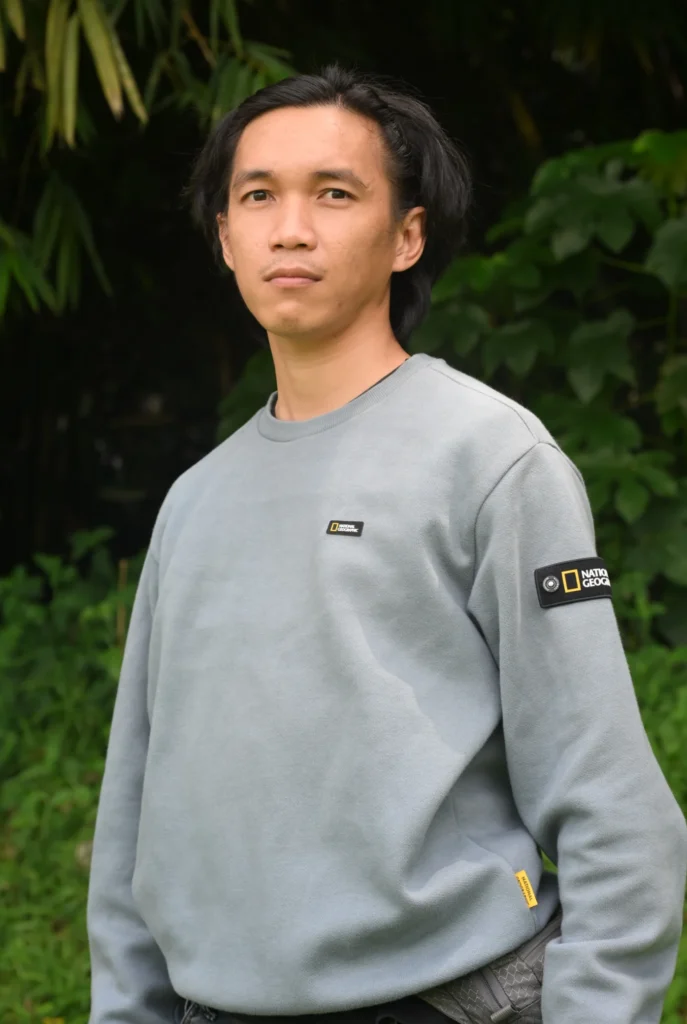
Sandy Leo
Founder
Sandy is an environmentalist, conservationist, and visual storyteller with more than 10 years of experience in sustainable development, landscape conservation, ecosystem services, wildlife conservation, Indigenous Peoples and local communities, and climate change in Indonesia.
Since 2015, he has been involved in various conservation and environmental projects across Sumatra, Java, Kalimantan, Sulawesi, and Nusa Tenggara. Sandy has also been recognized as a National Geographic Explorer and is currently affiliated with the National Geographic Indonesia Hub.
Sandy completed his undergraduate degree in Conservation Biology and his master’s degree in Environmental Science, both at Universitas Indonesia. In addition to being the founder of Arka Konservasi Indonesia, he also serves as Landscape Restoration Manager at PT Restorasi Alam Hijau.
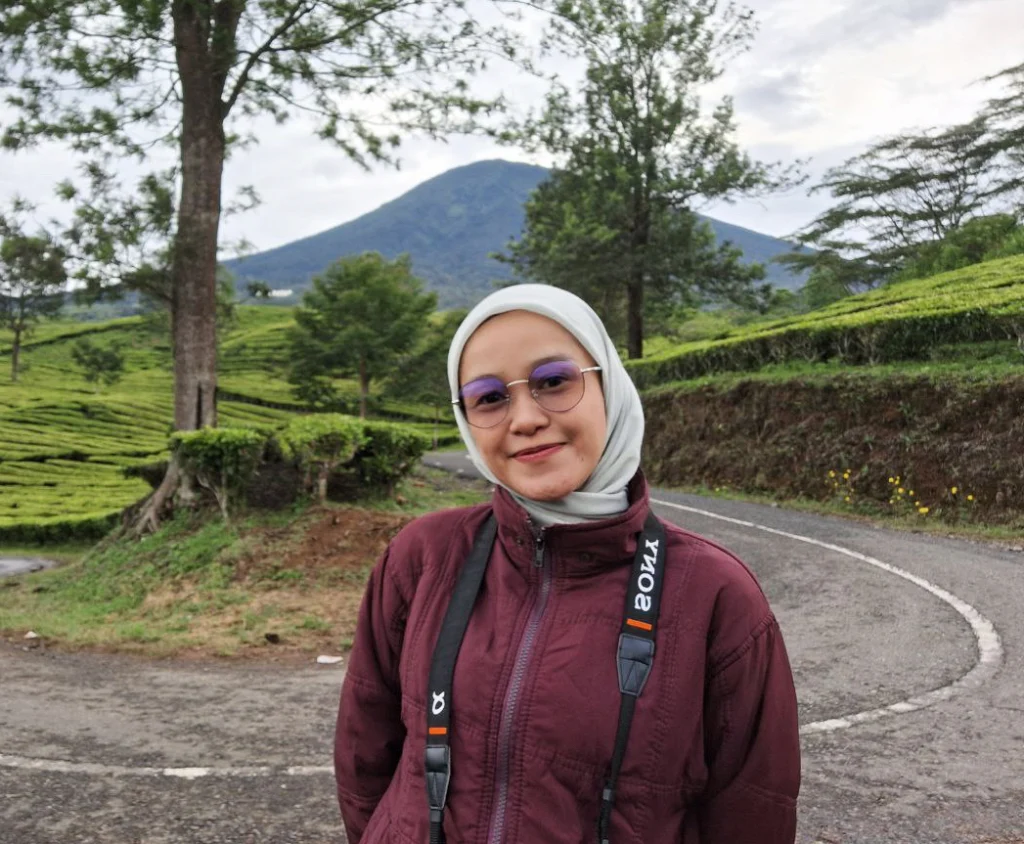
Ekka
Co-founder & Technical
Ekka is a researcher, education practitioner, and advocate for sustainable environmental issues. She earned a Bachelor of Education with a concentration in Biology Education from Universitas Muhammadiyah Palembang, followed by a Master of Science in Biology with a specialization in conservation from Universitas Sriwijaya.
With a strong academic background and extensive field experience, Ekka believes that sustainable change emerges from the synergy between research data, local knowledge, and active community participation.
Ekka previously worked as a lecturer at Universitas Muhammadiyah Palembang and is currently active in developing environment-based learning models, supporting communities, and disseminating research findings through both scientific and non-scientific publications.
Her research and professional interests include learning innovation, ecological research that bridges scientific findings with field-level policy, and community empowerment through practical environmental programs. She also has experience in research methodology design, field implementation, program monitoring and evaluation, training module development, and building collaborations with educational institutions, local governments, NGOs, and local communities.
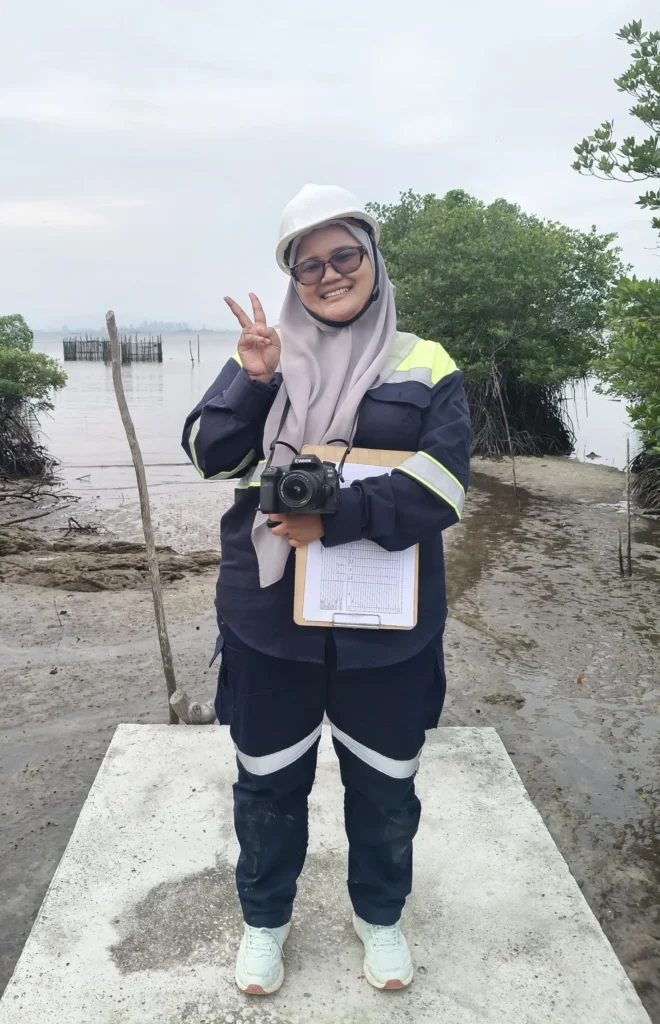
Lisa
Co-founder & Finance
Lisa Nurfalah is an environmental scientist and sustainability professional who currently works as Sustainability Lead at PT Mutuagung Lestari Tbk.
She has experience in climate change, biodiversity conservation, EIA/AMDAL, greenhouse gas accounting, life cycle assessment (LCA), and sustainability reporting.
Lisa holds a Bachelor of Science in Biology and a Master of Science in Environmental Science from Universitas Indonesia. Her experience includes environmental consulting, biodiversity studies, ecological assessments, and various sustainability projects in Indonesia, with a focus on climate mitigation, natural resource management, and science-based environmental policy.
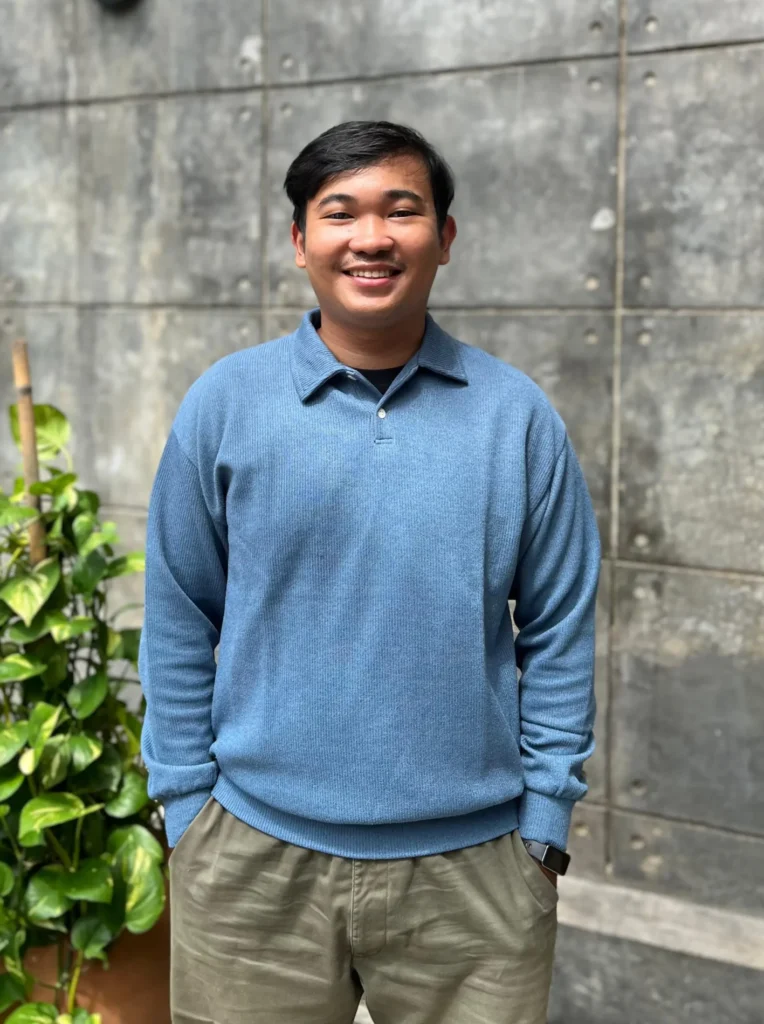
Rifky
Grant & Knowledge Management
Rifky Putra Kurniawan is a graduate of Government Science from Universitas Padjadjaran and an environmental governance practitioner with experience in community-based conservation, forest governance, and natural resource management.
He has worked with civil society organizations, Indigenous Peoples, and local communities on initiatives related to conservation, sustainable livelihoods, and land policy.
His main areas of interest include conservation governance, Indigenous Peoples’ rights, and political ecology.
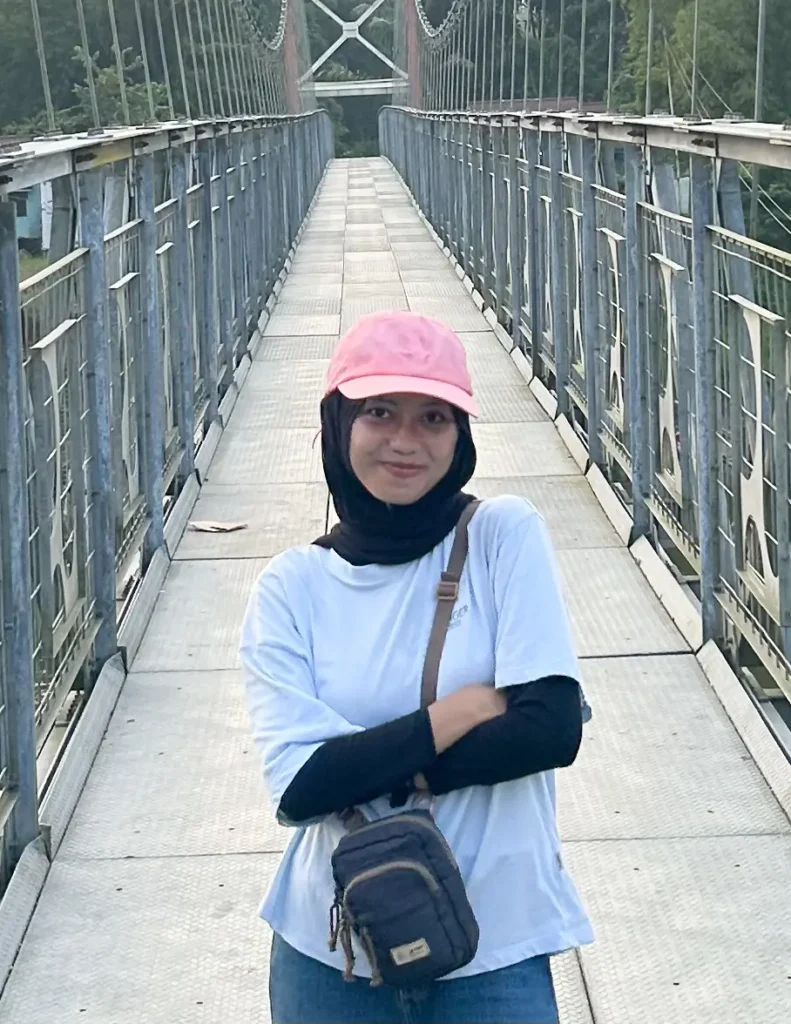
Desi
Admin & Communications
Desi Rahmawati is a young practitioner in non-governmental organization management and environmental conservation, combining a scientific background with strong leadership capabilities.
As a final-year Biology student at Universitas Tanjungpura with a research focus on herpetofauna, she has a strong leadership track record, having served as Chair of the Biology Student Association (HIMABIO), Faculty of Mathematics and Natural Sciences, Universitas Tanjungpura, and as Treasurer of the university’s Student Representative Council (DPM Untan). Professionally, Desi has broad experience in administrative governance, public communications, and field program implementation. Her portfolio includes serving as PIC for the Taman Emas Pertamina Sidomulyo education program, working in administration and communications at Lestarian, and contributing strategically to various environmental and journalism projects with Yayasan Kolase, including the Finscapes Project, Journalist Camp, and environmental consulting projects.
Supported by a Training of Trainer (ToT) certification in Ecological Mangrove Rehabilitation, she is experienced in bridging scientific data, governance accountability, and community-based advocacy.